Lightweight gear: lighter pack, more freedom
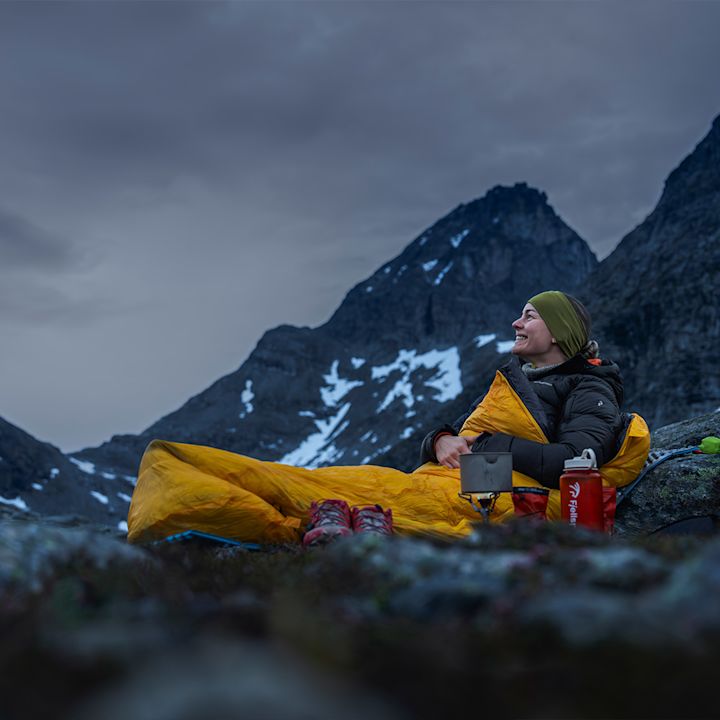
An 18–20 kilo pack, sore shoulders, and trips where your energy – not your curiosity – sets the limits. Many hikers know that feeling. But there's something that makes every hike easier, smoother, and more enjoyable – lightweight gear.
In our selection you'll find lightweight gear that helps you dial in and cut down the weight of your pack with high-tech materials, smart design, and versatile, multi-use products. Comfort, safety, and the overall experience aren't sacrificed – the goal is to give you the best of both worlds.
Keep reading and explore our range to take your next hike to the next level.

What is base weight
– and how much should your pack weigh?
When you're working to lighten your pack, you'll often hear people talk about base weight. Base weight includes everything in your backpack plus the backpack itself. Consumables like food, water, fuel, and insect repellent are not counted in base weight. The containers – like the gas canister or the insect repellent bottle – do count, though.
Of course the weight will vary depending on how long you're out and which season you're hiking in, but as a rule of thumb you can think like this:
- Typical pack: 10–15 kg base weight
- Lightweight pack: 6–9 kg base weight
- Ultralight pack: base weight up to 4.5 kg
Whether you level off at 9 kilograms or aim for under 4.5 kilograms, the goal is the same: a pack that's light enough that your curiosity – not your backpack – decides where you go.

The big three:
Tent, sleep system, and backpack
The heaviest things you carry are almost always your tent, your sleep system (sleeping pad, pillow, and sleeping bag), and your backpack. That's also where you can save the most weight. Below you'll find a selection of our top options for lightweight backpacking – both for the big three and for additional gear that also plays a key role in keeping your base weight low.
How to get started
Start with the hike you've already done. When you get home, lay out absolutely everything you brought on the floor and sort out what you never actually used. There's often an extra pair of underwear, one pair of trousers too many, or duplicate kitchen items that do the same job. Cutting that out costs nothing and saves plenty of grams.

Lightweight tents – how to choose
Lightweight tents combine durable materials with smart designs that need fewer poles and pack down small. Choose based on your group size and how you want to balance comfort against the lowest possible weight.


Lightweight sleeping pads and R-value
The sleeping pad is crucial for both comfort and warmth. Lightweight pads offer solid insulation with low weight and a small packed size. Check the R-value and choose a pad that matches the season you'll be hiking in.


Lightweight backpack – volume and carry system
Once you've pared down the rest of your gear, a lightweight backpack makes a big difference. Lightweight packs use well-designed carry systems and materials that cut weight without sacrificing comfort. Choose a volume that fits your gear but isn't bigger than you actually need.



Lightweight stoves and cooking
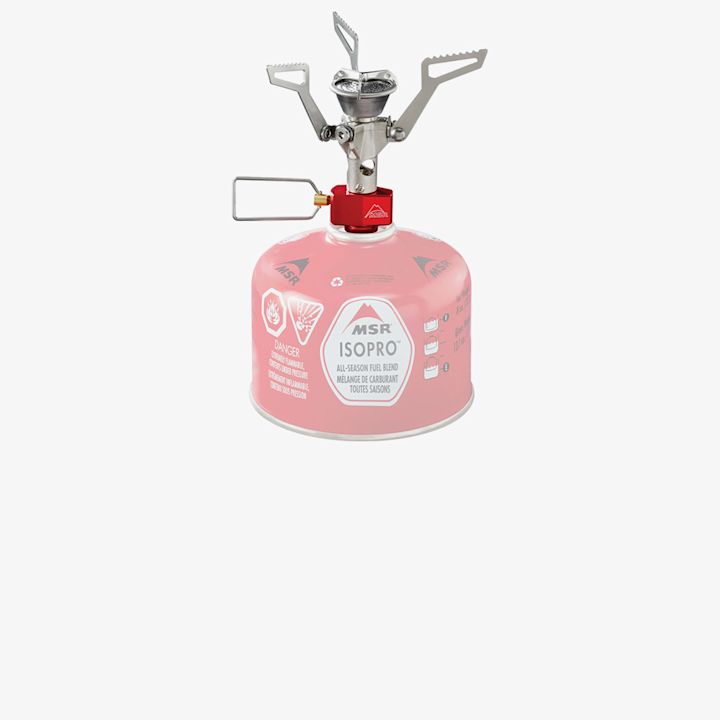
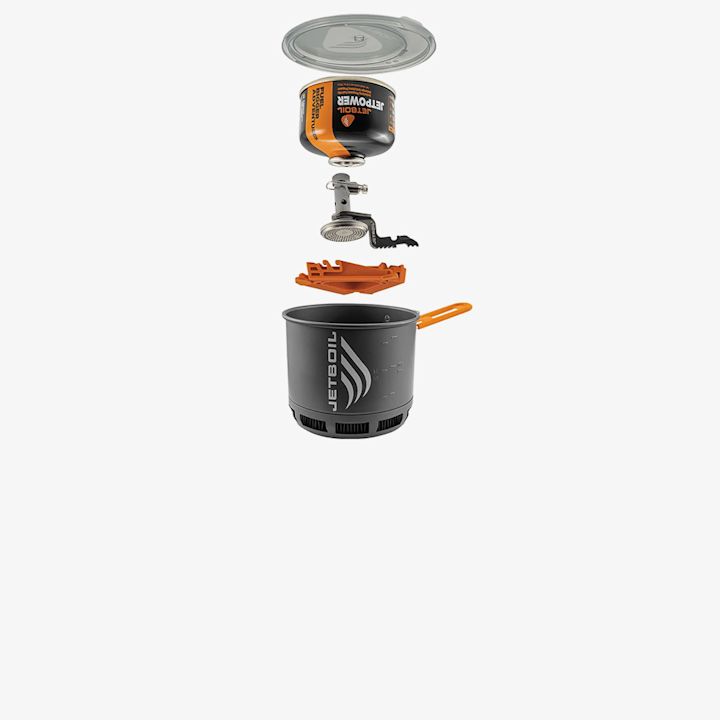
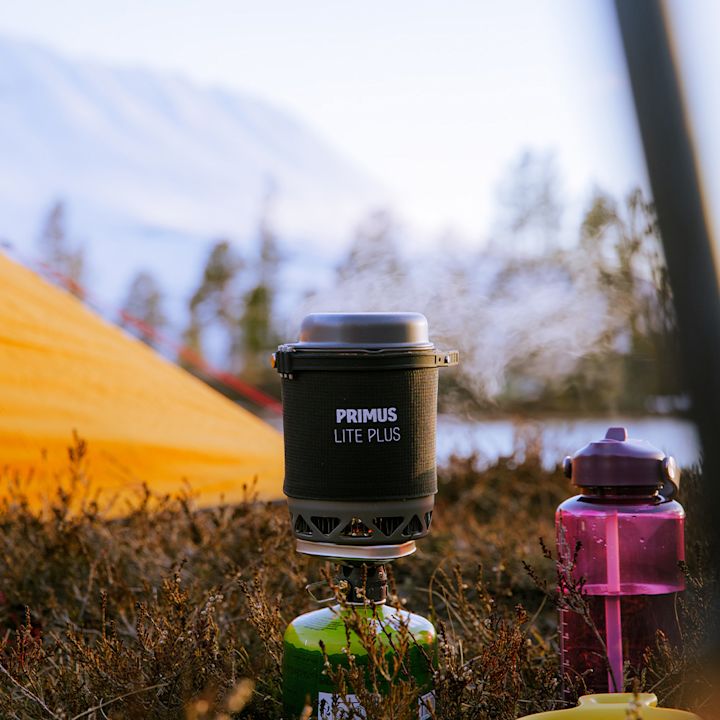
You can cut a lot of pack weight with your cooking setup. Lightweight cook systems use compact burners and aluminium or titanium pots for efficient, low-weight cooking. Often, a simple system that's mainly optimised for boiling water and making basic meals is all you really need.

Other gear
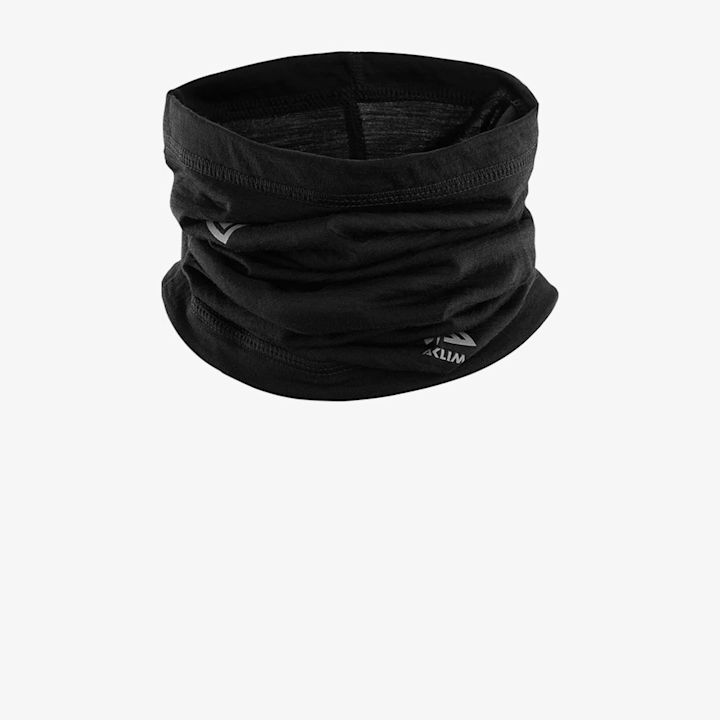
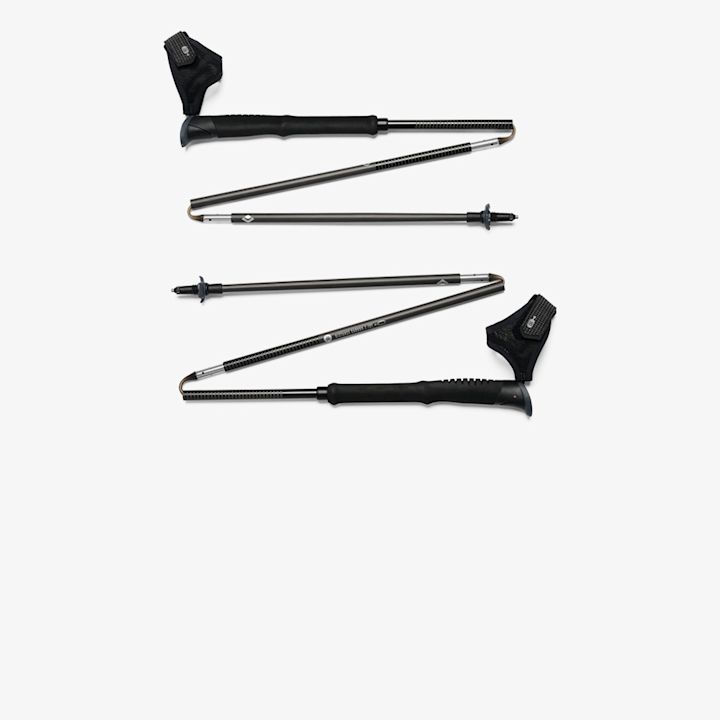
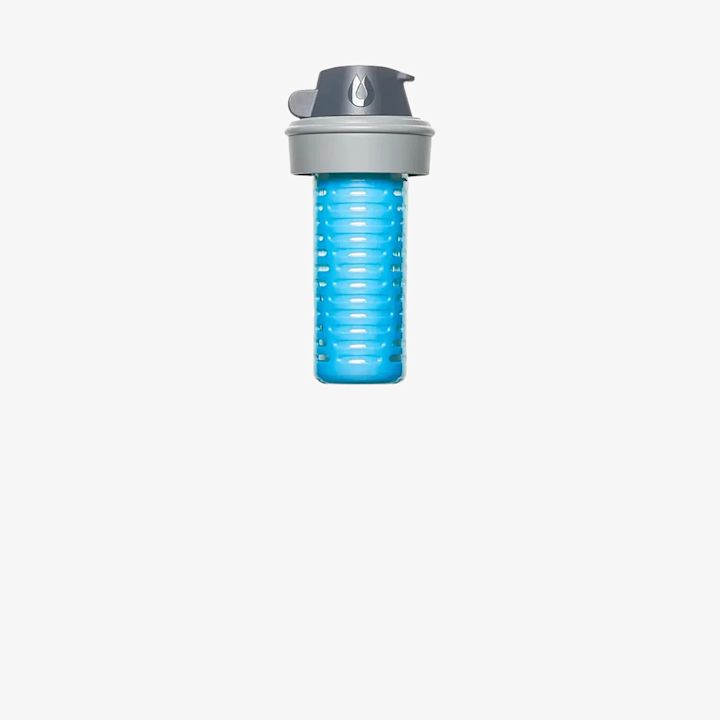
Small items can make a big difference to your base weight. Multi-use pieces like buffs, lightweight trekking poles, and water filters let you carry less without giving up comfort or safety.
- Buff – as versatile as a scarf, hat, pot holder, or trail towel. The only limit is your imagination.
- Trekking poles – add stability and can double as tent poles for some shelters.
- Water filter – lets you carry less water and top up along the way.