Outnorth's complete hiking guide
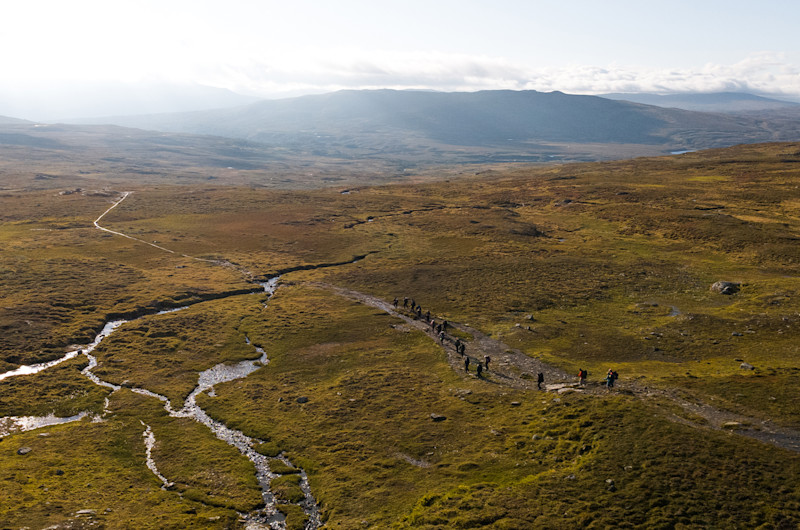
Hiking has a special kind of power. You carry everything you need on your back, move forward under your own steam, and watch the landscape change around you step by step. Hiking can mean different things to different people: the feeling, the distance, the goal and how you want to plan your trip all vary. Some people want to go far and fast with minimal gear, while others prefer a more comfortable setup with a fixed camp, shorter outings and more focus on nature and wildlife.
The most important thing to keep in mind is:
- There is no single right or wrong way to hike.
- What really matters is that you get outside and have a good time.
- Your gear and the way you hike should be adapted to you – not the other way around.
Read on for tips, inspiration and key things to consider when you plan your hiking adventure.
The idea is born and the planning begins
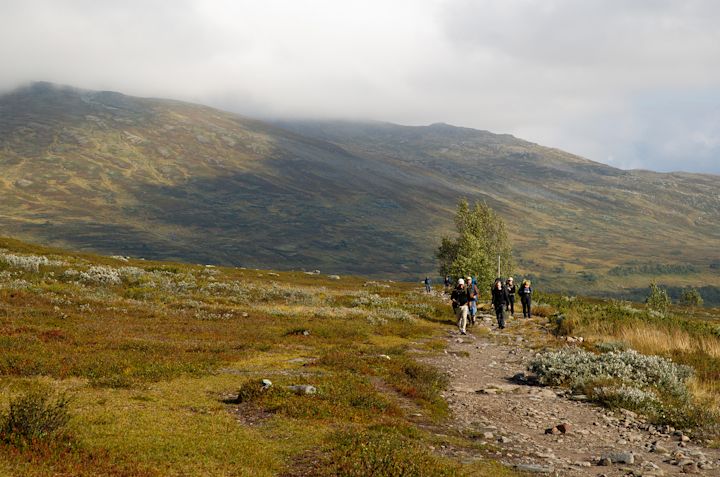
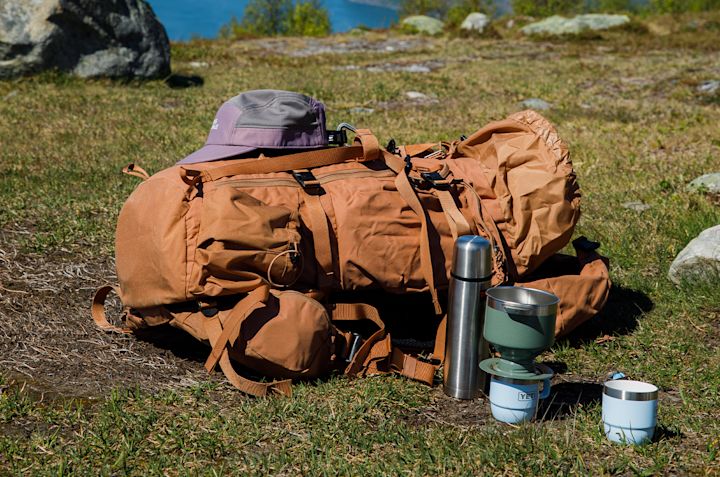
When you start dreaming about a hiking trip, it helps to ask yourself a few basic questions. They make planning easier and reduce the risk of unpleasant surprises along the way.
Think about things like:
- Where do you want to hike?
- Do you want to do day hikes from a base camp, or carry all your gear and move camp?
- Is there a well-marked trail, or will you need to navigate more on your own?
- What is the typical weather at that time of year – and what does the landscape look like then?
- How many of you will be hiking?
- Are there stores or cabins along the route, or do you need to carry all your food from the start?
- Are you going to sleep in a tent, a shelter, a cabin or a hostel?
- How easy will it be to find water?
There’s a lot to think about, but try to see the planning as a fun part of the adventure. By reading up on the area – maps, trails, regulations, lodging and water sources – you reduce the risk of things not going as planned.

Sleep gear
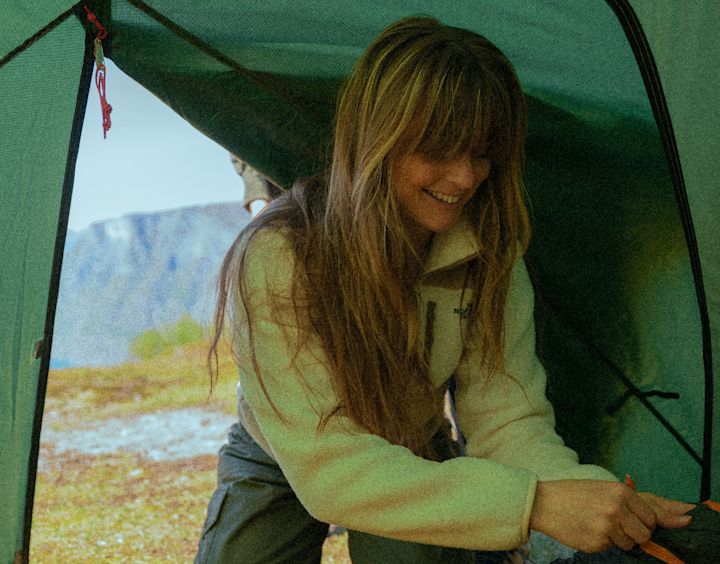
A good night’s sleep outdoors mostly comes down to three things:
- Tent
- Sleeping pad
- Sleeping bag
Temperature is crucial. Check the weather forecast, but also the specifications of your gear. For sleeping bags, focus on the comfort temperature (not just the extreme rating). To find the right sleeping pad, look at its insulating ability (for example the R-value) so the cold doesn’t creep in from the ground.
If you want to boost comfort even more, bring an inflatable pillow and a sleeping bag liner. These are two small “luxury items” that can make a big difference to how well you sleep. A liner adds an extra insulating layer of air and is much easier to wash than the sleeping bag itself.
Food & Cooking
Food is one of the real cornerstones of any hike. You need energy, nutrients and preferably something warm in your stomach – otherwise both your mood and stamina will take a hit.
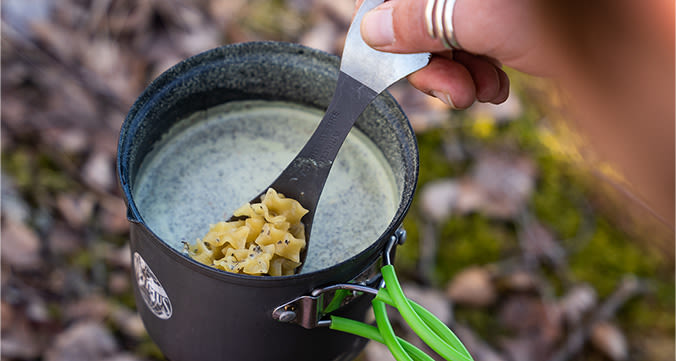
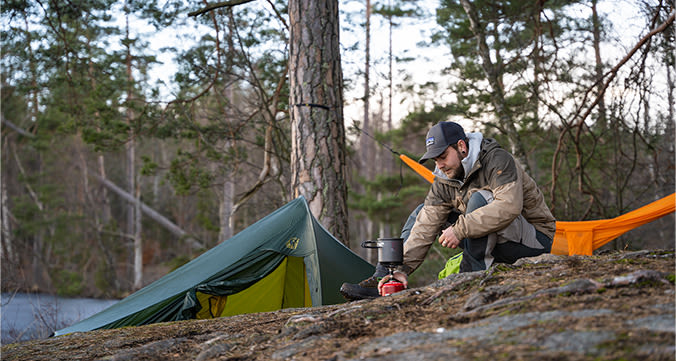
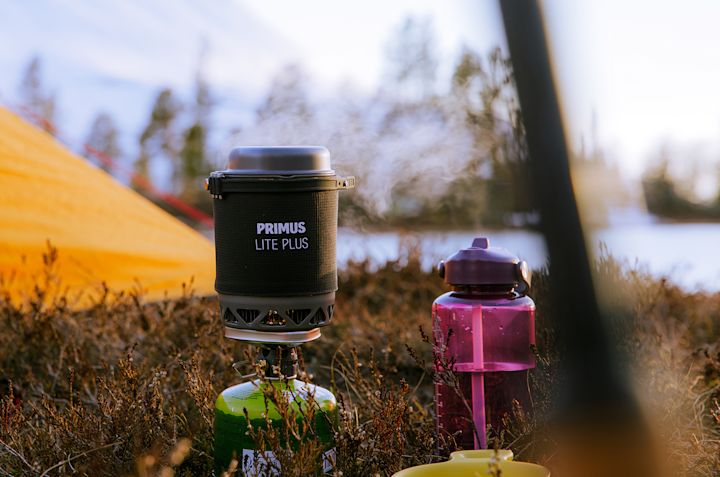
A simple place to start is with a gas stove. It lasts a long time, is easy to carry and boils water or food in the pot very efficiently. There are lots of different sizes and models to choose from.
If several of you are hiking together, it’s often smarter to share one larger camp stove instead. That way each of you can carry a few parts and save some weight.
When it comes to food, there are plenty of different ways to sort things out. Most of the time you’ll want to keep the weight down and choose dry ingredients.

Freeze-dried meals
Freeze-dried meals are often the most convenient option. They’re made by many different brands and come as breakfast, lunch, and dinner.
Pros:
- Very lightweight and easy to pack.
- Calorie-dense and filling.
- Wide range of different dishes – easy to mix it up.
- Usually you just add hot water and wait a few minutes.
Downside:
- They’re often the most expensive food option.
Dry ingredients from the grocery store
You can get far with regular items from your local grocery store, as long as you focus on things that are ready with water and a short cooking time.
Examples:
- Instant mashed potatoes with pieces of dried meat and some spices – cheap, tasty, and light.
- Instant noodles – not super nutritious, but they work fine as a simple lunch.
- Pancake mix – perfect as a cozy breakfast or trail treat.
Dehydrate your own food
If you like to prep, you can dehydrate your own food at home. That gives you a lighter pack, better shelf life, and full control over the flavors.
Basics:
- You can use an oven on low heat to dry the ingredients.
- Pack them in small bags, e.g. zip-lock bags.
- When you’re out hiking, the ingredients often need to soak for a while (an hour or a few) before you heat them, so they have time to soften again.
Snacks and trail treats
Snacks are at least as important as your main meals. They let you top up your energy quickly when you start to feel tired.
Good snacks:
- Chocolate bars, like Snickers.
- Homemade power bars with, for example, dates, nuts, and seeds.
- Ready-made protein bars from the store.
- Homemade “trail mix”: raisins, peanuts, and small pieces of chocolate.
Keep your snacks easy to reach – in the lid of your backpack or in a side pocket – so you don’t have to unpack everything every time you need energy.
Clothing
Clothing can feel like a jungle of brands, membranes, and materials. To keep it simple, you can start from three basic principles:
Layering – several thin layers rather than one thick one.
The right material – preferably wool closest to your skin.
Adjust to season and activity – more breathable when you’re moving, more insulating when you’re standing still.
Shoes and boots
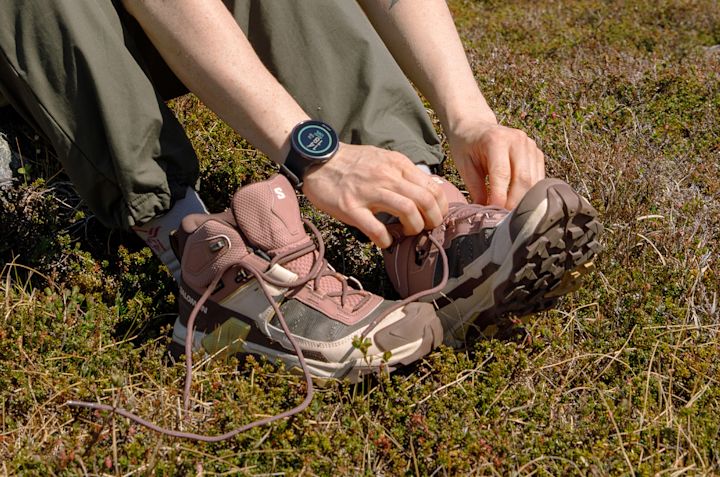
What you wear on your feet is crucial for your hiking experience. Many people choose boots all year round, even though they can feel warmer in summer than a lighter pair of shoes. In return, you get better stability and support.
A good hiking boot:
- Goes up over your ankle.
- Has a stable, supportive sole.
- Has a shaft height you’re comfortable with – higher shafts give better support with a heavy pack and in rough terrain.
When it comes to materials, there are two common types of boots: GORE-TEX boots and shell boots without a membrane.
GORE-TEX boots have the advantage of keeping your feet dry for longer and are often well padded and stable, which many people appreciate in tough terrain or on longer trips. The downside is that they take longer to dry once they’re wet, and the extra padding doesn’t feel comfortable for everyone.
Shell boots without a membrane, on the other hand, dry faster and make it easier to regulate warmth by changing the thickness of your socks. They’re especially good if you like to work with layers and airy materials.
No matter which type you choose, it’s important to try the boots on carefully, preferably with the same kind of socks you plan to use on your hike.
Socks
Socks and shoes go hand in hand. Good socks can make a huge difference for both comfort and foot health.
A common and reliable setup is wearing two pairs of merino wool socks.
- Wear a thin layer closest to your foot.
- Add a thicker layer on top, adjusted to the season.
That way the socks rub against each other instead of against your skin, which lowers the risk of blisters. On top of that, wool is an ideal hiking material because it:
- Wicks moisture away.
- Keeps you warm even when it’s wet.
- Can be aired out and worn again.
Change socks often—ideally several times a day—and let the used ones hang on the outside of your backpack to air out and dry. Dry, happy feet are one of the keys to a great hike.
Clothing for your legs
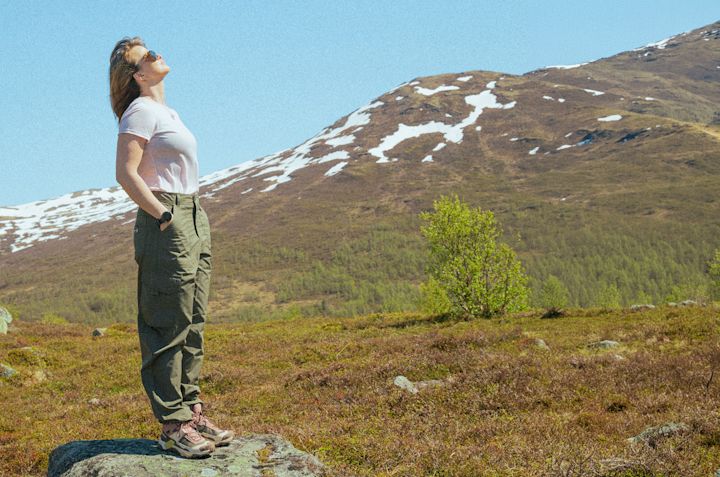
When it’s cold, it feels great to have a base layer next to your skin, preferably in merino wool. There are good base layers in cotton or bamboo too, but wool performs best when you’re sweating.
On top of your base layer, wear a pair of hiking or technical pants. Look for features like:
- Stretch panels for better freedom of movement.
- Ventilation zippers so you can let excess heat escape.
- A zip-off option if you want to convert them into shorts.
In very wet weather or rough terrain, add shell pants that are waterproof and hard-wearing.
Clothing for your upper body
Here as well, the layering principle works best:
- A base layer closest to your skin—the thickness depends on the temperature.
- A warm mid-layer, for example a fleece or wool sweater—ideally with a zipper so you can vent quickly.
- An extra layer you can pack down small and pull on during breaks or when the wind picks up—for example a lightweight down vest.
- On the outside, a shell jacket that shields you from wind, rain, snow, and hail. A simple rain jacket can work, but it usually breathes worse and is less optimized for active adventures than a good shell jacket.
Headwear
You lose heat quickly through your head in cold weather, and you can get very hot when the sun is blazing. Some kind of headwear is a must in your pack.
- A beanie is cozy when it’s cold during the day, and at night it’s just as valuable—even on mild nights, wearing a hat in your sleeping bag can make a big difference.
- EIn summer, a cap shields your face from the sun and makes hiking more comfortable.
Other Equipment
Water
Water is one of the most important resources on any hike. You always need a plan for getting enough and for making sure it’s safe to drink.
Typical setups:
- One or two water bottles plus a small water filter. You refill from streams and lakes and purify the water with the filter.
- A hydration reservoir (2–3 liters) in your pack—this makes it easy to sip often without stopping.
What works best depends on where you’re hiking and how often you can refill along the way. Whatever setup you choose, it’s important that you:
- Drink regularly.
- Always carry some extra water in case the next water source is hard to reach or not drinkable.
First aid kit
You never know when an accident will happen—it often does when you least expect it. A first aid kit is a non-negotiable item in your hiking pack.
It’s a good idea to add:
- Blister plasters
- Sunscreen
Cell phone, power bank, and lighting
These days, a cell phone is standard gear:
- To take photos and document your adventures.
- You can navigate using map apps (don’t forget to download offline maps).
- It’s the easiest way to stay in touch with friends and family—as long as you have reception.
- You’ve also got evening entertainment in the form of podcasts, audiobooks, shows, and more.
To keep your phone and other electronics running, bring a power bank. For longer trips, it can be worth choosing a power bank with solar panels so you can trickle-charge during sunny days.
A headlamp is also extremely handy. It makes everything at camp easier once it gets dark – from cooking and bathroom breaks to packing and reading.
Sunglasses
Spending a full day outside in bright sunshine or on snow that reflects the light can be tough on your eyes. A good pair of sunglasses protects you from bright light and UV rays, helps you keep your energy up and keeps your eyes from getting so tired.
Change of clothes
How many extra outfits you pack depends on how long you’ll be out, but a good rule of thumb is to always bring at least one dry, clean, full change of clothes.
It’s often nice to have dedicated “camp clothes” that you only put on when you’re dry and done for the day. It makes a big difference for both comfort and warmth.
Knife
It’s always smart to bring at least a folding knife or a small lightweight knife – you’ll use it a lot. For cooking, cutting a rope or a bandage – or maybe you realize you need a wooden spatula to flip your pancakes. You can also just relax and whittle a bit by the campfire in the evening.
The backpack
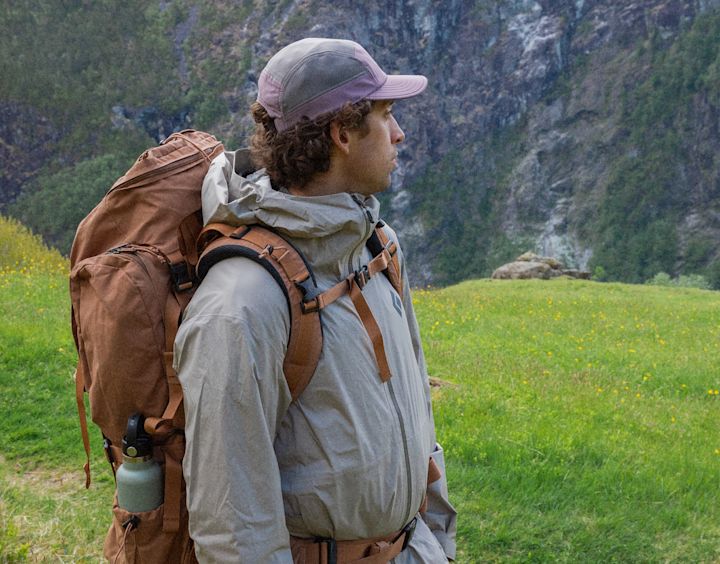
Your backpack carries all your gear. It’s really important that it’s fitted to you and feels comfortable to carry.
Hiking packs come in many sizes, back lengths and designs. It’s worth taking some time to try a few different options.
Pay extra attention to:
- How close the pack sits to your back.
- Whether the hip belt is stable and comfortable.
- Whether the shoulder straps are padded and feel good on your shoulders.
Your choice of pack volume depends on things like:
- How many days you’ll be out.
- How much gear you bring and what type it is.
- Whether you’re hiking in winter (winter gear usually takes up more space).
A backpack that fits you well can be the difference between a hard slog and a great hike.
Good luck on your upcoming adventures!
We hope you’ve picked up some new tips and a bit of extra inspiration for your next hike. Always remember to:
- Respect nature.
- Follow Sweden’s right of public access (allemansrätten) and the rules in nature reserves and national parks.
- Leave no trace behind.
Nature is open to all of us, but it’s everyone’s responsibility to take care of it.
If you have questions about gear or trip planning, you’re always welcome to contact our customer service – they’re happy to help you get ready for your next adventure!