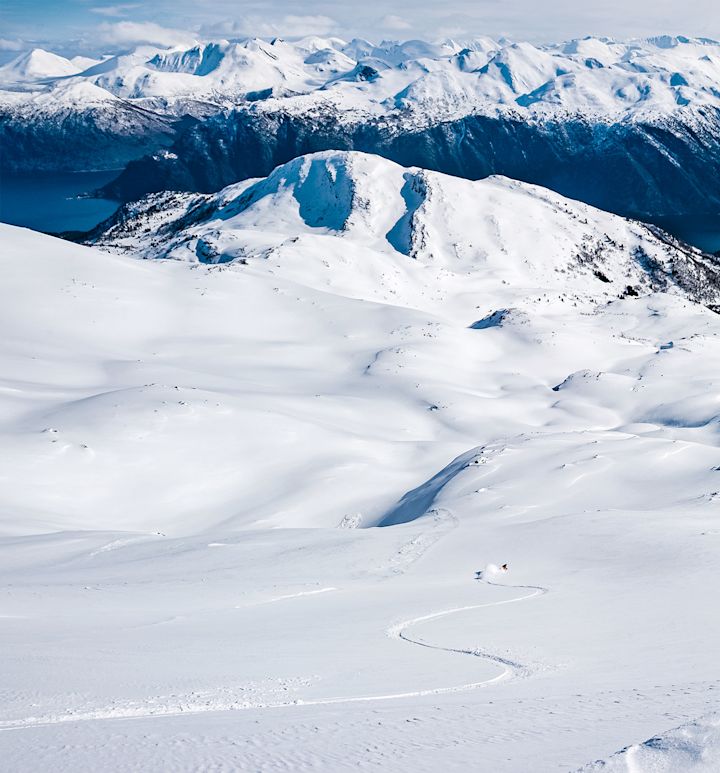
Avalanche-Safe Adventures
Top Tips from the Expert
Every winter, more and more nature enthusiasts are drawn to untouched snow, eager for powder and freedom. But with that freedom comes the need for more knowledge about weather, terrain, and equipment. Check out avalanche expert Jonatan Axelsson Sandström's tips for a safer outing in the winter mountains.
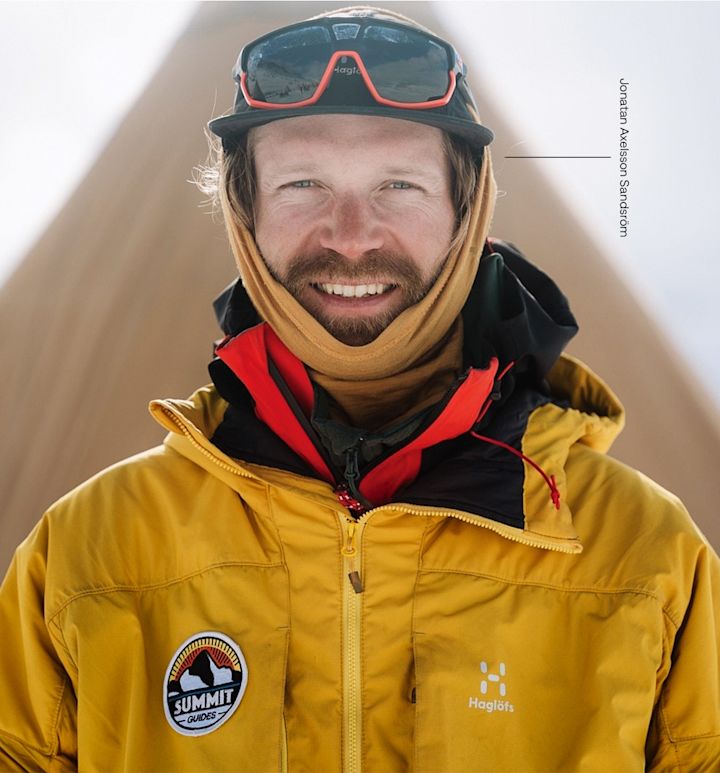
Tre enkla tips för att undvika laviner
UNDVIK TERRÄNG BRANTARE ÄN 30 GRADER
- Laviner startar sällan i terräng som lutar mindre än 30 grader (de kan vid väldigt ostabilt förhållande starta under 30 grader, men det sker sällan. Det är i just 30 grader som du åker i lavinterräng. Då ökar sannolikheten markant för att det kan gå en lavin). Använd en lutningsmätare för att bedöma lutningen.
ÅK ALLTID EN I TAGET
- Om det går en lavin dras inte alla i gruppen med i lavinen och i så fall är det bara en person som behöver räddas.
PLANERA TUREN TILLSAMMANS
- kommunicera öppet med varandra och låt alla komma till tals – ställ öppna frågor som: Vill vi åka här? Vad händer om det går en lavin? Kan alla åka ner här? Bra frågor som ofta trycks bort av puderhetsen.
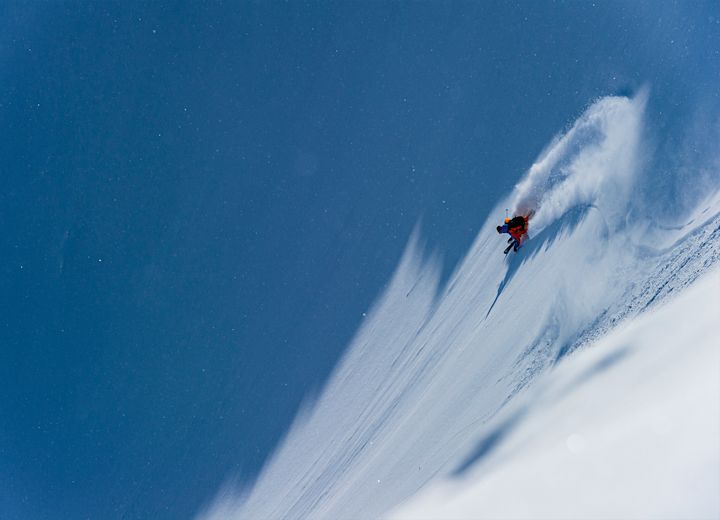
Jonatan Axelsson Sandström
Jonatan Axelsson Sandström runs Summit Guides and has been educating skiers and snowboarders on avalanches since 2017. Certified as an avalanche expert in 2024, he also provides forecasts for the Southern Jämtland Mountains. Before heading into avalanche areas, he recommends taking an avalanche course. Plus, keep an eye on weather forecasts, be aware of the terrain, carry the right gear, and maintain good group communication.
You need to know where avalanche terrain is and understand its dangers. Snow conditions are difficult, if not impossible, to assess. They can change quickly. Terrain is consistent, so know the safe routes up and down. Monitor the weather and plan according to the day's conditions. Visit lavinprognoser.se for local decision support. If you're outside of forecast areas, don't go into avalanche zones unless you're fully informed and confident about the conditions and your companions. The mountain will always be there. No turn is worth risking your life for.
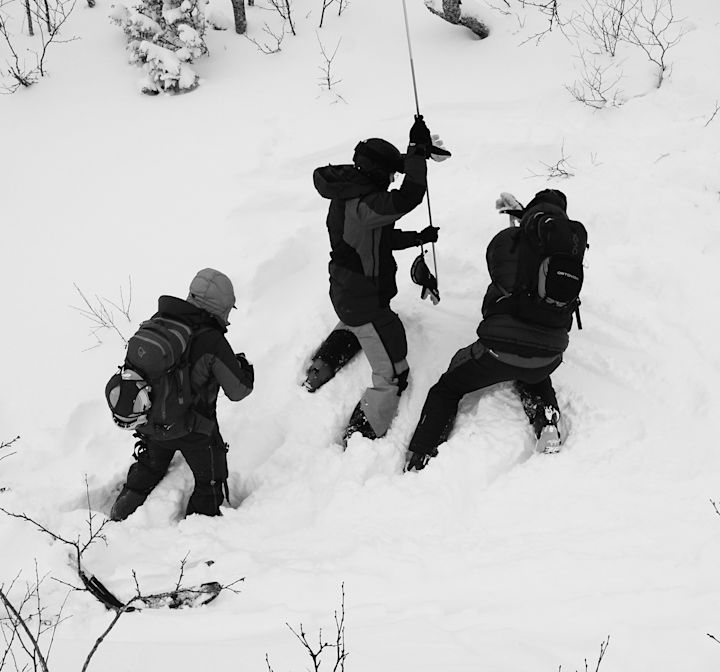
Aside from knowing the terrain and weather, Jonatan stresses the importance of understanding how to use safety gear — transceiver, probe, and shovel — and being sure everyone in the group can communicate and work together if needed. He advises taking a Svelav (Swedish Avalanche Training) course to learn how to handle this equipment.
Everyone who takes a course brings away something valuable to consider. The winter mountains can also open up to those who feel both a bit afraid and unsure about even heading into this terrain. It's all about gaining knowledge and building on it with practice.
He also stresses how important it is to practice with your safety gear to keep your skills sharp.
Practice with your transceiver, probe, and shovel before each outing. It doesn't take long, and you'll always learn something new. The time you save from being prepared could save your best friend's life. Imagine finding yourself in a crisis without having trained—how would that feel?
There's a lot to consider before heading out into untouched snow. And maybe the toughest part is keeping track of yourself. Sure, avalanches are dangerous, but the real risk is skiing in avalanche-prone areas, not just their existence.
Discussing goals and expectations for the day should always be part of the group's safety approach, and everyone should know the plans.
Jonatan's packing list for winter mountain trips
- Transceiver, probe, and shovel
- Avalanche backpack
- First aid kit
- Extra gloves and hat
- Thermal clothing
- Water and hot drinks
- Emergency bivouac bag
- Sunglasses and goggles
- Multi-tool
- Snacks and lunch
- Map, compass, and headlamp