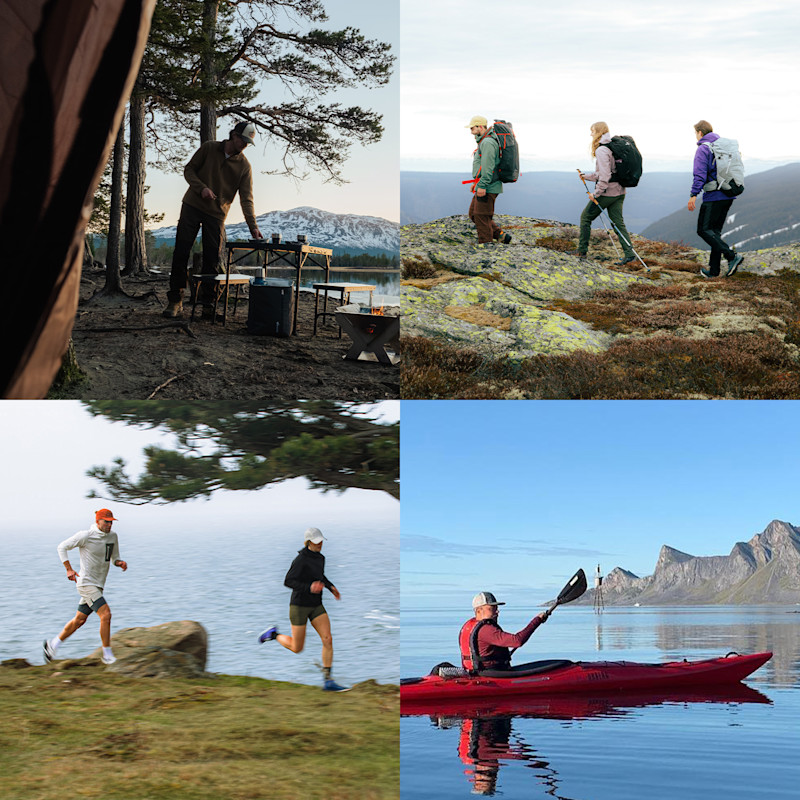
7 outdoor adventures that will make your staycation unforgettable
You don’t have to travel far to get that special mix of freedom, adventure, and calm that only nature gives. With the right ideas – and sometimes just a backpack, a camp stove, or a pair of hiking boots – your vacation, weekend, or even an ordinary weekday afternoon can turn into something you’ll remember for a long time.
Here are seven outdoor adventures for a high-energy staycation. Each activity comes with tips, gear suggestions, and practical advice that make it easy to get outside – whether you’re a beginner or more experienced.
1. Camping and glamping in nature
6. Cook a three-course meal outdoors
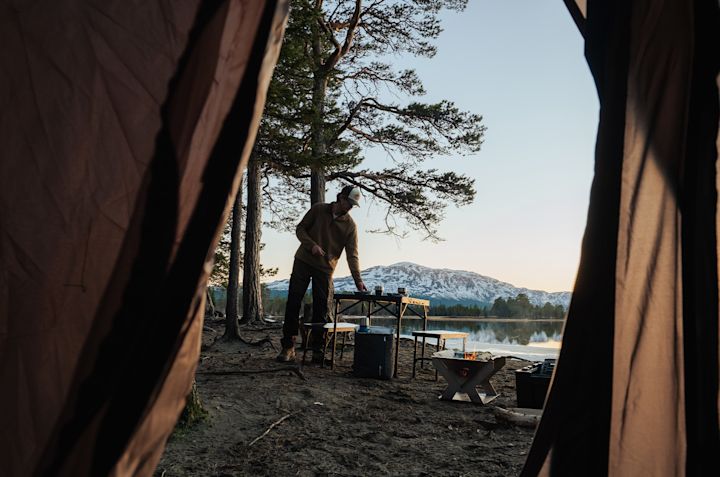
Camping and glamping in nature
Camping out in nature gives you both adventure and comfort. You sleep outside but don’t have to haul your gear very far – perfect for bigger, more comfortable sleeping pads, a proper camp kitchen, camp furniture, and details like string lights or inflatable loungers.
It’s an easy staycation activity for both families and groups of friends – a micro‑adventure close to home.
How to plan your camping staycation step by step
- Decide if you want a wilder, backcountry feel or a more comfortable glamping experience.
- Borrow, rent, or invest in camping gear that matches the kind of trip you want.
- Plan tasty meals to cook on your camp stove or over an open fire – for example, our Chimichangas with spicy spinach and feta filling.
- Set up camp and enjoy good company out in nature.
Hur hittar jag en bra plats att campa på i naturen?
Välj etablerade naturcampingar eller vildmarkscampingar med enkel service, eller hitta en favoritplats i skogen eller vid en sjö. Följ lokala regler och lagar - som allemansrätt och naturreservatsföreskrifter.
Hur får jag till en glamping-känsla när jag campar?
Rymligt tält, uppblåsbara madrasser, riktiga kuddar, varm belysning och bekväma campingmöbler – komplettera med gott kaffe och lite mer genomtänkt mat.
Vilken campingutrustning behöver jag för en helg vid en sjö?
Tält, sovsäck, liggunderlag, campingkök med bränsle, enkel köksutrustning, kylväska, vattendunk, campingstolar, pannlampa, myggskydd, ett litet första hjälpen-kit och varma lager till kvällen.
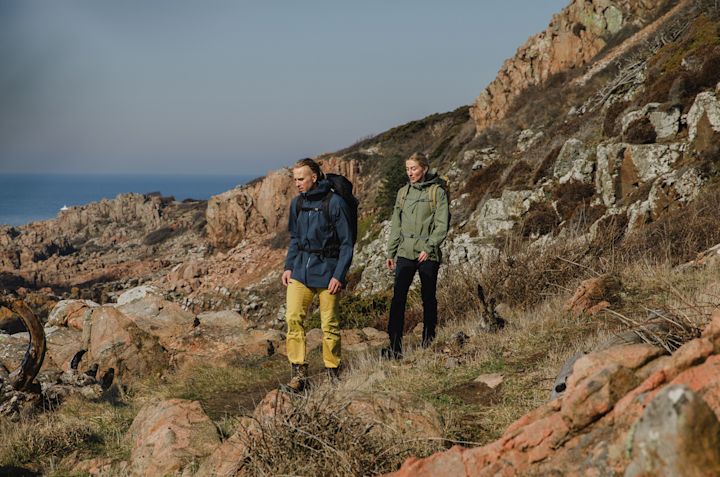
Day hike – short distance, big experience
How to plan your day hike
- Find a hiking trail near you – either an old favorite or a new one to explore.
- Check the weather forecast. Choose clothing and gear based on the weather conditions.
- Pack snacks, food, and water, and put everything you need in a backpack that fits the outing. Check out our guides <run1>Pack right for your hike and Choose the right backpack.
- Invite a friend, tell the kids you’re heading out on an adventure, or get ready for some solo time in nature if you prefer hiking alone.
What gear do I need for a day hike?
It depends a lot on the weather and season, but here’s a good starter kit: sturdy hiking shoes, comfortable outdoor pants, a shell jacket, camp stove, water bottle, first aid kit, a 20–30 liter backpack, and a map, compass, or GPS.
How far is a reasonable distance for a day hike?
About 8–20 km. It depends on your (or your group’s) experience level and age, and on the terrain you’re hiking in.
How do I adapt a day hike for families with children and beginners?
Choose a short, easy trail, plan plenty of breaks and simple games for the kids, and let both children and new hikers focus on the nature experience rather than the distance.
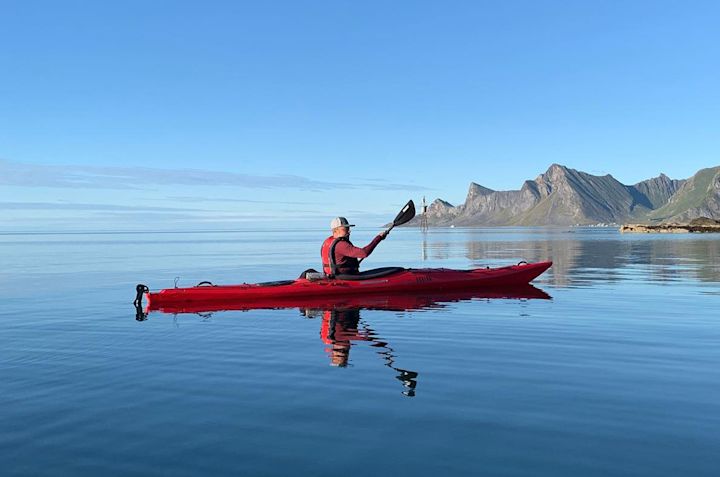
Kayaking – day trip or overnight adventure
How to plan your kayak trip
- Choose where you want to paddle – lake, coast, or river – and plan a route of a suitable length with breaks and possible put‑in and take‑out spots.
- Check weather, wind, and water temperature, and choose clothing and safety gear for the conditions.
- Arrange a kayak (your own or rented) and basic gear: paddle, life jacket, dry bags, phone in a waterproof case, plus a packed lunch or outdoor meals.
- Decide whether it will be a day trip or an overnight – if you’re staying out, pack a light tent or tarp, sleeping bag, sleeping pad, and simple cooking gear.
What gear do I need for a kayak trip?
You’ll need a kayak, paddle, life jacket, dry bags, phone in a waterproof case, extra clothes, water, and food. For longer trips, bring lightweight camping gear as well.
How do I kayak safely?
Always wear a life jacket, check weather and wind before you head out, stay close to shore if you’re a beginner, avoid paddling alone, and let someone know your planned route.
Can you kayak with children?
Yes, absolutely. Choose a stable kayak, always use properly fitted life jackets, keep the trip short and close to shore, plan for breaks and playtime, and avoid windy days or very cold water.
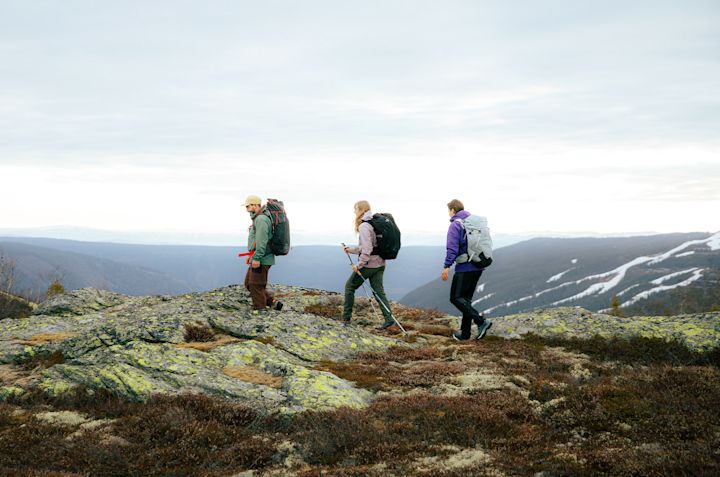
Multi‑day hiking – a big adventure close to home
How to plan your longer hike
- Choose a trail that matches your experience level and how many days you want to be out.
- Plan your stages: how far you’ll hike each day, where you’ll sleep (tent, shelter, or cabin), and where you can refill water.
- Pack for several days: hiking backpack, tent, sleeping bag, sleeping pad, camp stove, food, extra clothing, and safety gear.
- Test your shoes and backpack beforehand. Bring a friend along or tell someone which route you plan to hike.
How do I choose a trail for a longer hike?
Start with how many days you want to be out, your experience level, and what kind of landscapes you enjoy. Then read online guides to find a trail with the right length and level of service.
How many days are suitable for a first longer hike?
Two to three days is a good length for your first multi‑day hike. That gives you time to test your gear and get a feel for the pace without it becoming too demanding.
What should I keep in mind when packing for a multi‑day hike?
Pack light but safe: good shoes, a comfortable backpack, weather protection, sleep system, enough food, water or a water purification system, plus a map, first aid kit, and extra warm layers. For more tips, check out Outnorth’s complete hiking guide.
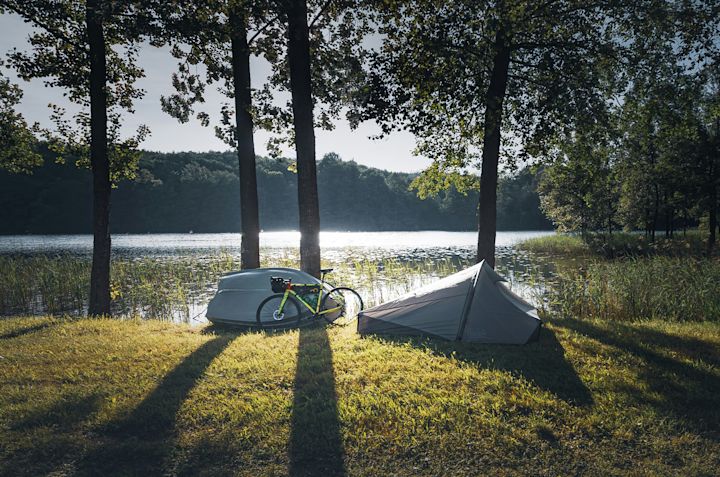
Bike touring and bikepacking – adventures on two wheels
How to plan your bike trip with gear
- Decide what kind of tour you want: a short day ride with a coffee stop, or a weekend or week‑long trip with overnight stays.
- Choose a route that suits your bike – paved roads, gravel, or easy trails – and plan stops for food, water, and any sights along the way.
- Set up your bike with sturdy bags (rear, front, or a seat pack) and distribute your gear: lighter items on top, heavier items close to the bike.
- Pack the basics: water, snacks, food, rain gear, first aid kit, tools, spare tube, and for longer trips, lightweight camping gear.
What’s the difference between a bike tour and bikepacking?
A bike tour usually means longer rides on roads with a bit more comfort, while bikepacking tends to mean more minimalist packing and a focus on gravel roads and simple overnight spots in nature.
What gear do I need to ride with a loaded bike?
You’ll need a bike that fits the terrain, sturdy bike bags, a bike helmet, a basic tool kit, and a spare inner tube.
How far is it reasonable to ride per day on a bike tour?
For a relaxed bike tour, 40–80 km per day is a comfortable range for many riders, depending on terrain, how much gear you’re carrying, your experience, and how much time you want for breaks and exploring along the way.
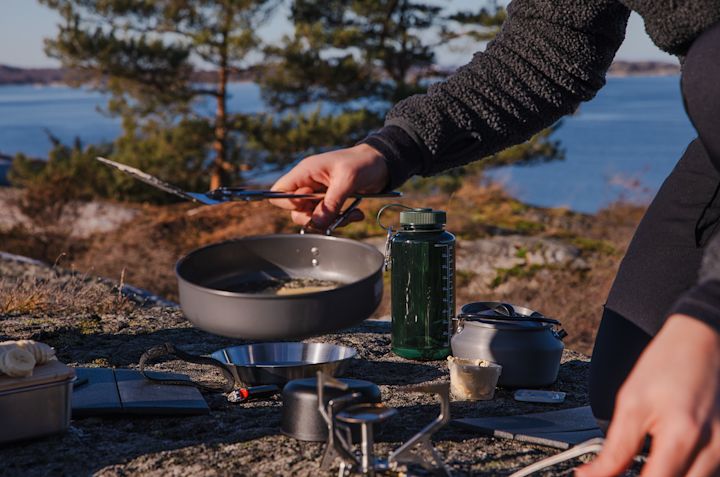
Cook a three‑course meal outdoors – invite friends and family
Move dinner out into nature and cook a three‑course meal under the open sky. Pick a spot in the forest, by a lake, on the rocks, or in your backyard – and cook on a camp stove, over an open fire, or using a waffle iron or sandwich iron over the coals. With a little planning, the meal will be relaxed, really tasty, and a wonderful way to spend time outside.
How to plan your three‑course outdoor meal
- Choose a spot and check local rules for fires and grilling.
- Plan a menu that works with the gear you have. For example: starter on the camp stove, main course on a grill grate or in a cast‑iron pan, dessert in a waffle iron over the coals.
- Prep as much as you can at home – chop, marinate, measure ingredients, and pack them in tight containers or bags.
- Don’t forget to pack fuel, utensils, plates, cutlery, water, trash bags, and a cooler or insulated bag for perishable ingredients.
Which recipes work best on a camp stove and over an open fire?
You’ll find plenty of recipes on our website that are adapted for outdoor cooking. Here’s one suggestion for a menu:
Starter: Garlic bread and roasted red pepper soup
Main course: Lemon pasta with smoked fish
Dessert: S’mores brownies
What should I keep in mind to cook outdoors safely?
Place your stove on a stable surface, keep clear of dry vegetation, have water or a fire extinguisher nearby, follow local fire regulations, and never let children near the stove or fire without supervision.
How do I keep ingredients fresh when I’m cooking outdoors?
Use a cooler or insulated box with ice packs, store sensitive foods (meat, dairy, fish) at the bottom where it’s coldest, and plan your menu so the most perishable ingredients are used early in the meal.
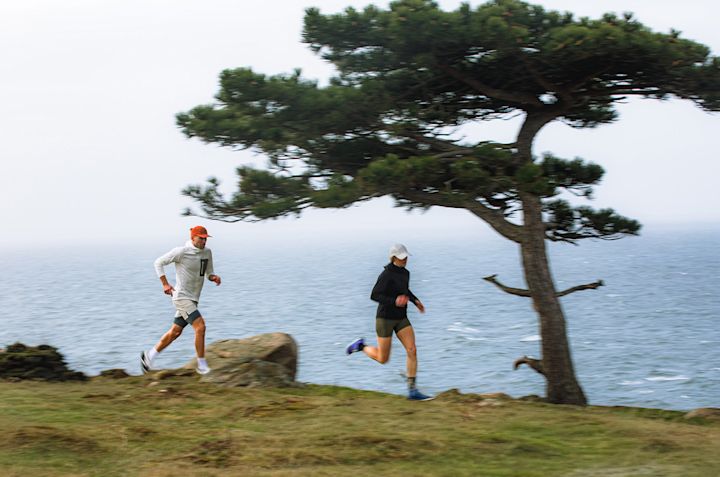
Trail running adventure – one‑day fastpacking
If you already run trails, fastpacking can be the next step. You’re out for a full day, running, hiking, and moving with a slightly larger running pack – with room for food, extra layers, and maybe a small camp stove. The idea is simple: take a trail that many people hike in one or two days and turn it into your own trail adventure, with views, breaks, and long hours outside rather than intervals on your watch.
How to plan your trail running adventure
- Choose a longer trail or loop you’d normally hike – aim for 3–8 hours outside, with options to shorten the route if needed.
- Use a running vest or running pack of about 10–20 liters and pack water, snacks, light food, extra layers, rain gear, first aid kit, map/phone, and maybe a small stove for coffee or lunch.
- Check the weather and trail conditions and dress in light technical layers that work for changing pace, with a thin insulating layer and shell jacket if the weather turns.
- Run the easier sections, hike the steep and technical parts, plan real breaks at viewpoints or shelters – and let the whole day feel more like a small expedition than a workout.
What is fastpacking?
Fastpacking is when you combine trail running and hiking with a lightweight but slightly larger running pack, so you can stay out longer and bring more gear than on a normal run – without getting as heavy as on a classic backpacking trip.
What gear do I need to try fastpacking?
Go for trail running shoes with good grip, a running vest or 10–20 liter running pack, hydration system, energy, extra clothing, shell layer, first aid kit, map/phone, and on longer days a small stove and simple food.
What do I need for an overnight fastpacking trip?
The next step is to add a sleep system to your day kit (small tent or tarp, sleeping bag, sleeping pad), extra food, warmer layers, and a clear plan for water, campsite, and weather. Choose ultralight gear with as little weight as possible – that way you can extend your trail adventure without your pack getting too heavy.